
Slip and Fall Accidents in Grocery Stores: What You Need to Know
Slip and fall accidents in grocery stores are more common than one might think and can lead to severe injuries and legal complications. California, known for its stringent laws regarding premises liability, places a significant emphasis on ensuring the safety of individuals while on commercial properties, including grocery stores. In this blog post, we’ll delve into the specifics of slip and fall accidents in grocery stores in California, examining the unique challenges and legal considerations associated with these incidents.
I. The Nature of Slip and Fall Accidents in Grocery Stores
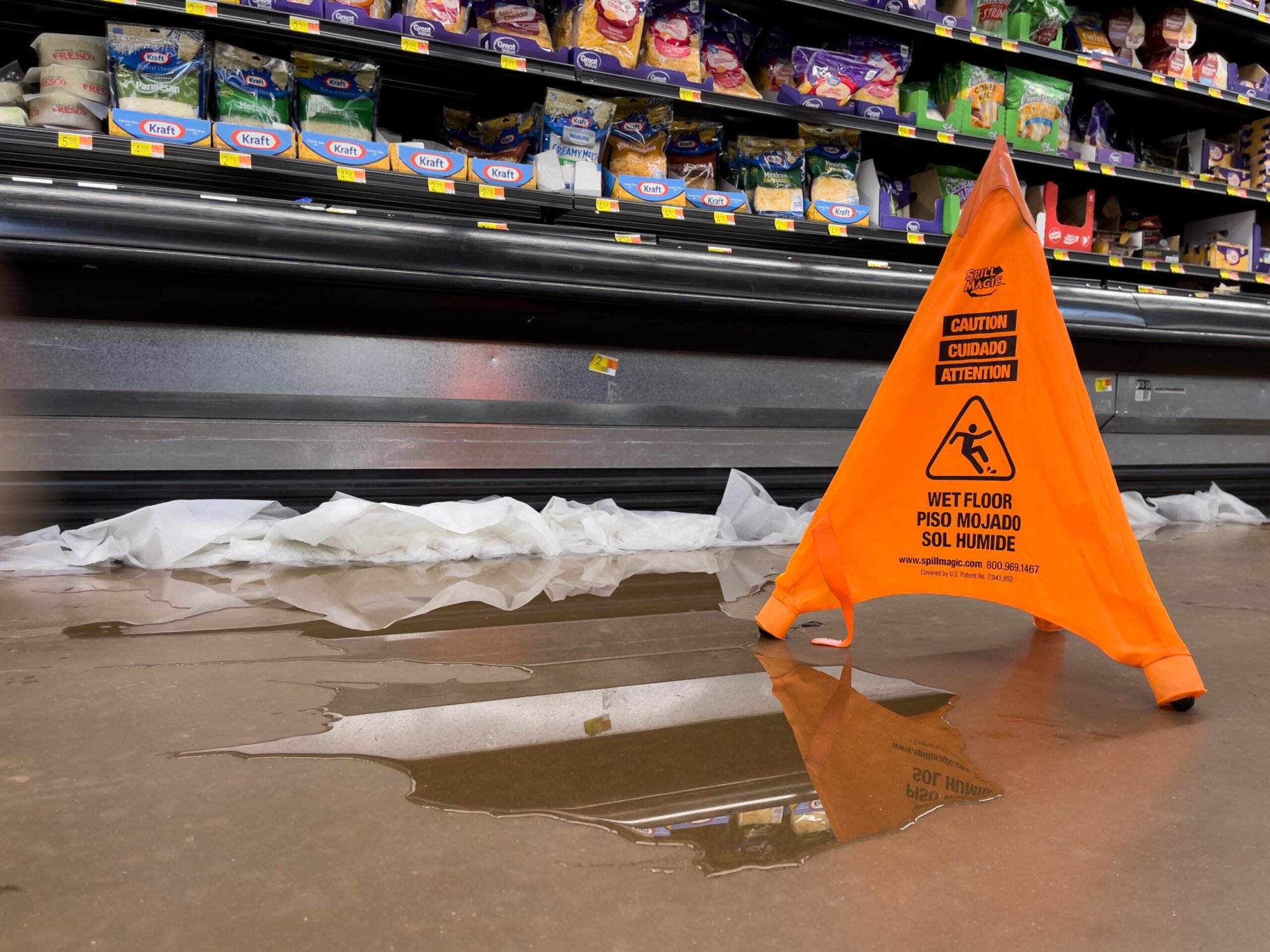
Grocery stores are bustling with activities, with numerous customers navigating through aisles, employees restocking shelves, and various products displayed. Consequently, hazards such as spilled liquids, misplaced items, or wet floors due to cleaning are prevalent. These conditions significantly increase the risk of slip and fall accidents.
One of the primary challenges in such incidents is identifying liability. Determining who is responsible—whether it’s the store owner, an employee, or even a third-party vendor—can be complex and requires a thorough examination of the circumstances surrounding the accident.
II. Legal Considerations in California
California’s laws impose a duty of care on property owners, mandating them to maintain safe premises for visitors. Under premises liability law, grocery store owners owe a duty to their customers to keep the premises reasonably safe from hazards that could cause harm. When a slip and fall occurs, several legal considerations come into play:
- Negligence: Proving negligence is crucial in these cases. Plaintiffs must demonstrate that the store owner or an employee was aware or should have been aware of the hazardous condition but failed to address it in a reasonable timeframe.
- Notice: Establishing whether the store had notice of the hazard is essential. Was there a reasonable amount of time for the store to discover and rectify the dangerous condition?
- Comparative Fault: California follows a comparative fault system, meaning if the injured person shares some fault for the accident, their recovery might be reduced based on their percentage of fault.
- Evidence: Gathering evidence, such as surveillance footage, witness statements, maintenance records, and medical reports, is crucial to support the claim.
III. Challenges in Proving Liability
Proving liability in slip and fall cases within grocery stores can be challenging due to various factors:
- Transient Nature of Hazards: The transient nature of hazards refers to conditions like spilled liquids or freshly mopped floors that can quickly become hazardous but might be challenging to prove how long they existed. In legal terms, it’s often crucial to establish whether the store owner or employees had reasonable time to identify and rectify the hazard. If a spill occurred just moments before the accident, it might be challenging to hold the store liable as they might not have had adequate time to address the situation. This temporal aspect poses a significant challenge in proving negligence on the part of the store.
- Lack of Documentation: Documentation is crucial in premises liability cases, especially in grocery stores where regular inspections, cleaning schedules, and hazard identification processes should ideally be documented. However, in some cases, stores might lack comprehensive records or fail to maintain proper documentation of these crucial activities. This lack of documentation can make it challenging for the injured party to establish negligence. Without documented evidence of routine inspections or cleaning procedures, proving that the store was negligent in maintaining a safe environment becomes more difficult.
- Disputed Facts: Disputes regarding the facts of the incident often arise in slip and fall cases. Store representatives may present a different version of events, disputing the circumstances that led to the accident. They might argue that the hazard didn’t exist, that it was the customer’s carelessness that caused the fall, or that adequate warning signs were in place. These disputes can lead to a contentious legal battle where proving liability becomes a matter of conflicting testimonies, making it challenging to establish a clear sequence of events and responsibility.
IV. Steps to Take After a Slip and Fall Accident
If you’re involved in a slip and fall accident in a grocery store in California, certain steps can strengthen your potential legal case:
- Seek Medical Attention: Your health is a priority. Get medical attention promptly, even if injuries seem minor initially.
- Report the Incident: Inform the store management immediately. Ensure they document the incident and request a copy of the report.
- Document the Scene: If possible, take photos or videos of the hazard and the surroundings. Collect contact information from witnesses.
- Avoid Making Statements: Refrain from making statements that might imply fault or downplay your injuries, especially to the store’s representatives or insurance adjusters.
- Consult a Lawyer: Seek legal advice from an experienced personal injury attorney who specializes in premises liability cases.
V. Conclusion
Slip and fall accidents in grocery stores present significant challenges for both victims and legal professionals. Understanding the complexities of premises liability law in California is essential for anyone involved in such incidents. While these accidents can result in severe injuries and legal complexities, taking prompt and appropriate action can help protect your rights and facilitate fair compensation for damages incurred.
Remember, seeking legal guidance and understanding your rights is crucial in navigating the complexities of slip and fall accidents in California’s grocery stores. Our experienced team of personal injury lawyers at La Justicia Abogados can be of assitance in case you or someone you know had a slip and fall accident at a grocery store. Get in touch with our extremely capable team today!
Related Blogs
Recent Post
-
January 09, 2026Proving Fault After a Car Accident in Oxnard: Evidence That Makes or Breaks a Case
-
January 08, 2026Types of Civil Cases a Lawyer Can Handle in California
-

December 10, 2025Why Choosing a Local Hesperia Accident Attorney Can Improve Your Case Outcome
-

December 10, 2025From Whiplash to Spinal Cord Injury: Injuries in Bakersfield
-

November 11, 2025How Pre-Existing Conditions Affect Your Personal Injury Case: The Facts and Misconceptions
-

November 10, 2025Slip and Fall Injuries in Public Places: Who Is Liable?
-
October 02, 2025Why Delaying Medical Care Can Destroy Your Personal Injury Claim
-

October 01, 2025Highway Crash Claims in Bakersfield: What Residents Should Know