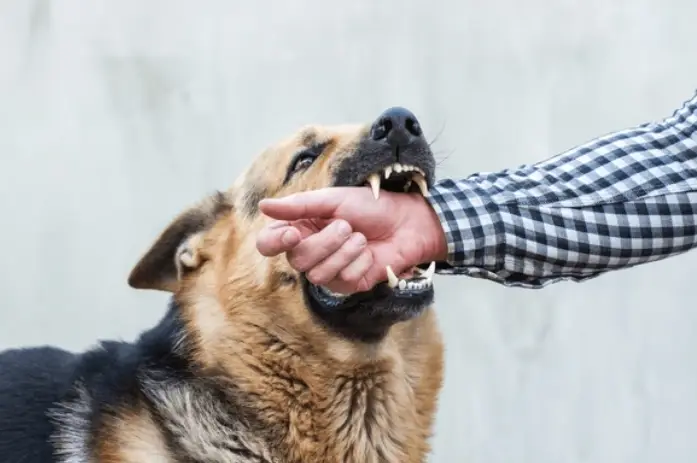
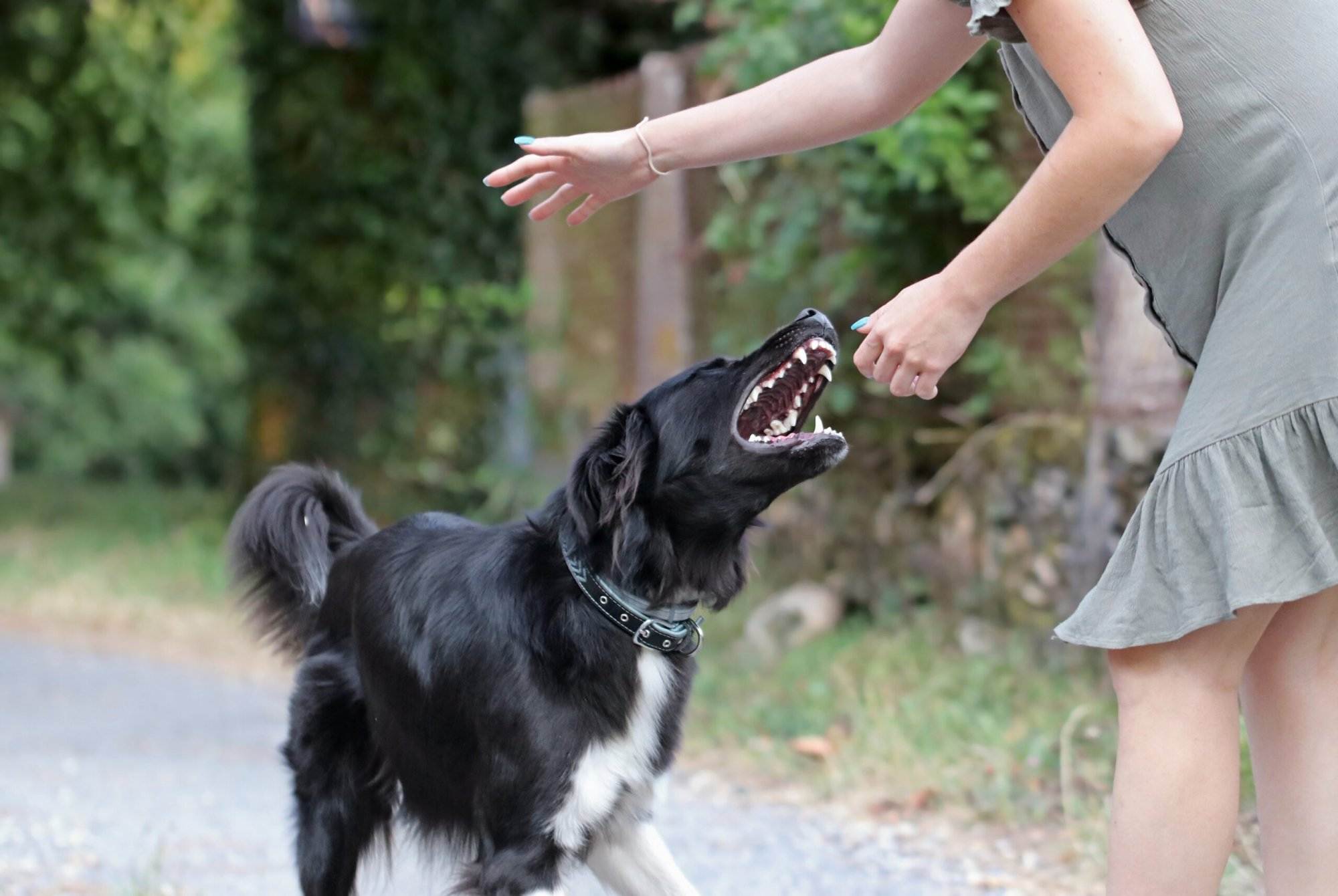

The Emotional Toll of Dog Bites: Coping and Seeking Support
Dog bites are more than just physical injuries; they can inflict profound emotional wounds that linger long after the physical scars have healed. In this blog post, we will delve into the often-overlooked emotional toll of dog bite injuries. We will explore the psychological aspects of dog attacks, offer guidance on seeking emotional support, and shed light on the healing process for victims and their families.
I. The Emotional Shrapnel: Beyond the Visible Trauma
While the immediate pain and trauma of a dog bite are evident, the emotional scars can run deep. These unseen wounds can manifest in various ways, impacting the lives of victims and their families.
- Anxiety and Post-Traumatic Stress Disorder (PTSD): Dog bite survivors may experience overwhelming anxiety, flashbacks, and nightmares. For many in the Latino and Hispanic community, these symptoms may be intensified due to cultural factors and the stigma associated with mental health issues.
- Depression: The emotional fallout of a dog attack can lead to depression, affecting one’s ability to find joy in daily life and engage in meaningful activities.
- Social Isolation: Fear of dogs or public spaces can lead to social isolation, depriving victims of their regular social interactions and community involvement.
- Guilt and Self-Blame: Victims, influenced by their cultural backgrounds, may wrestle with guilt and self-blame, even when the attack is entirely unprovoked.
II. Cultural Context Matters
Understanding the cultural context is crucial when addressing the emotional toll of dog bites within the Latino and Hispanic community in California. Culture can profoundly influence how victims and their families perceive and cope with such traumatic events.
- Family-Centric Values: Many in the Latino and Hispanic community place immense importance on family. When a dog bite occurs, it doesn’t just affect the victim but the entire family unit, creating complex emotional dynamics within the household.
- Stigma and Shame: In some cases, victims may feel a sense of shame or stigma, believing that being bitten reflects negatively on their character or family. This can hinder their willingness to seek emotional support.
- Traditional Healing Practices: Some families may turn to traditional healing practices or spiritual beliefs to cope with the emotional aftermath. Acknowledging and respecting these practices is essential when offering support.
III. Coping Strategies for Dog Bite Survivors
Recovery from the emotional scars of a dog bite is a journey that demands patience, resilience, and support. Here are some coping strategies tailored to the Latino and Hispanic community in California:
- Seek Professional Help: Encourage victims to seek professional therapy or counseling, emphasizing the importance of finding culturally sensitive care providers who understand their unique experiences and cultural backgrounds.
- Support Groups: Suggest joining support groups specifically designed for dog bite survivors. These spaces can provide a sense of belonging and understanding, fostering healing through shared experiences.
- Open Family Dialogue: Promote open communication within families, allowing victims and their loved ones to discuss their feelings, fears, and concerns openly.
- Education and Awareness: Offer educational resources about dog behavior and safety to empower survivors with knowledge. This can help alleviate anxiety and fear about future encounters with dogs.
- Self-Care Practices: Encourage self-care routines that include exercise, meditation, and relaxation techniques to manage anxiety and improve overall well-being.
IV. Supporting Dog Bite Victims: Merging Legal and Emotional Assistance
For a law firm operating in California, supporting dog bite victims involves more than just the legal aspect—it also entails a compassionate approach to addressing their emotional needs. Here’s how a law firm can provide holistic support:
- Legal Advocacy: Ensure that victims receive robust legal representation to pursue compensation for both their physical and emotional injuries. Understand that the emotional trauma can significantly impact the case.
- Referral to Support Services: Connect victims with local support services and mental health professionals who specialize in trauma recovery, with a focus on culturally sensitive care.
- Cultural Competence: Train legal professionals to be culturally competent, understanding the nuances and sensitivities of the Latino and Hispanic community. This enables a more empathetic approach when handling cases.
- Family-Centered Approach: Recognize that dog bite cases often affect entire families. Extend support and resources not only to the victim but also to their family members who may be grappling with their own emotional wounds.
V. The Path to Healing: Moving Forward Together
The healing process for dog bite victims is a unique and challenging journey. While it may be fraught with setbacks, it’s also marked by resilience and hope. Here are key takeaways for victims and their families:
- You Are Not Alone: Reach out for support—there are compassionate individuals, support groups, and professionals ready to assist you in your journey to recovery.
- Legal Advocacy: Pursue legal action if necessary to ensure you receive just compensation for both physical and emotional injuries. Legal professionals can serve as allies in your pursuit of justice.
- Cultural Strength: Draw upon the strength of your cultural background to aid in your recovery. Embrace cultural practices and traditions that promote healing and well-being.
- Patience and Self-Compassion: Healing takes time, so be patient with yourself. Practice self-compassion and remember that it’s okay to seek help when needed.
- Advocacy for Change: Consider becoming an advocate for dog safety and responsible pet ownership in your community. Your experience can help raise awareness and prevent future dog attacks.
VI. Conclusion
Dog bites leave not only physical but also deep emotional wounds that demand attention and support. While a dog bite lawyer at La Justicia Abogados can fight for your rights, it is only by recognizing and accepting your emotions that you can deal with the emotional impact of dog bite injuries.
Recent Post
-
January 09, 2026Proving Fault After a Car Accident in Oxnard: Evidence That Makes or Breaks a Case
-

January 08, 2026Types of Civil Cases a Lawyer Can Handle in California
-

December 10, 2025Why Choosing a Local Hesperia Accident Attorney Can Improve Your Case Outcome
-

December 10, 2025From Whiplash to Spinal Cord Injury: Injuries in Bakersfield
-
November 11, 2025How Pre-Existing Conditions Affect Your Personal Injury Case: The Facts and Misconceptions
-

November 10, 2025Slip and Fall Injuries in Public Places: Who Is Liable?
-
October 02, 2025Why Delaying Medical Care Can Destroy Your Personal Injury Claim
-

October 01, 2025Highway Crash Claims in Bakersfield: What Residents Should Know