

Evidence That Can Strengthen Your Collision Injury Claim
When you’ve been involved in a car crash, securing fair compensation often depends on the strength of your evidence. Insurance companies and courts rely on documented proof, not just your word, to evaluate liability and damages. That’s why working closely with a skilled car accident lawyer or crash lawyer is essential. They know what evidence matters most and how to present it effectively.
In this blog post, we’ll explore the best proof to win a collision injury case, break down the key types of evidence, and answer common questions about collision claim documentation.
I. Why Strong Evidence Matters in Car Accident Claims
In personal injury law, the burden of proof lies with the injured party. That means if you were hurt in a crash, you and your car accident lawyer must demonstrate:
- The other driver’s negligence: Did they cause the collision through speeding, distraction, or reckless driving?
- The extent of your injuries: Can you prove medical expenses, pain, and long-term impact?
- Financial damages: Lost wages, medical bills, and out-of-pocket costs must be documented.
Without solid evidence, proving negligence in a car accident becomes much harder, and insurers may minimize your claim.
II. The Best Proof to Win a Collision Injury Case
A strong case is built on multiple forms of evidence that support one another. Here are the most powerful types of proof your crash lawyer will use:
1. Medical Records in Car Accident Claims
Medical records are often the backbone of your case. They document:
- Injuries diagnosed immediately after the accident.
- Treatments, prescriptions, and follow-up appointments.
- Long-term or permanent effects, like disability or chronic pain.
These records directly connect your injuries to the crash, which is critical for compensation.
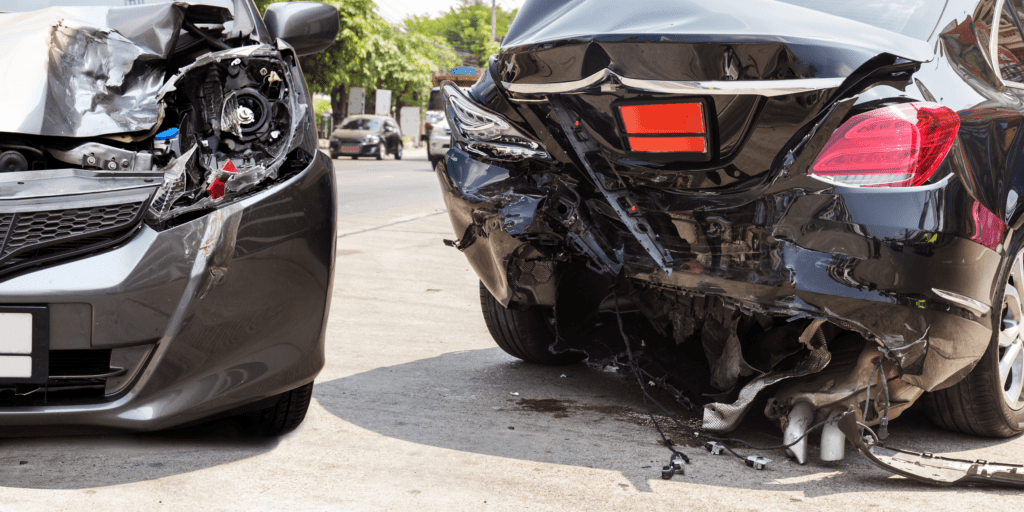
2. Accident Photos and Videos
Visual evidence is persuasive. Accident scene photos and videos can show:
- Vehicle damage and positioning after impact.
- Skid marks, traffic signals, or road hazards.
- Visible injuries at the scene.
Your car accident lawyer will often recommend taking multiple angles immediately after the crash, if possible.
3. Police Report Evidence
A police report offers an official account of the incident. It may include:
- Statements from involved drivers.
- Officer observations about weather, road conditions, or fault.
- Citations issued to the at-fault driver.
Courts and insurers give weight to this neutral documentation, making it a valuable piece of your collision claim documentation.
4. Witness Statements in Injury Cases
Eyewitnesses provide credibility. A bystander’s testimony can confirm:
- How the crash occurred.
- Which driver appeared at fault.
- The severity of your immediate injuries.
Insurance companies often take witness statements in injury cases seriously, as they come from neutral parties.
5. Collision Claim Documentation
Additional documentation may include:
- Repair estimates and bills.
- Pay stubs or employer notes showing lost income.
- Journals tracking your daily pain and limitations.
This detailed paper trail helps your car accident lawyer paint a full picture of your losses.
III. Proving Negligence in a Car Accident
One of the biggest challenges is proving negligence in a car accident. To do this, your lawyer must demonstrate:
- Duty of Care: The other driver had a responsibility to follow traffic laws.
- Breach of Duty: They violated this duty, such as texting while driving.
- Causation: Their actions directly caused the collision and your injuries.
- Damages: You suffered financial and personal losses as a result.
Strong evidence makes each of these steps clear, reducing the chance of disputes from the opposing side.
IV. Final Thoughts
Winning a collision injury case requires more than simply telling your story, it requires compelling evidence. From medical records in car accident claims to police report evidence and witness statements in injury cases, every piece of documentation strengthens your position.
By working with an experienced crash lawyer or car accident lawyer, you’ll have someone who knows how to collect, organize, and present the best proof to win a collision injury case. With the right collision claim documentation, you not only improve your chances of proving negligence but also maximize your potential compensation.
If you’ve been injured in a car crash, don’t wait. Consult with a skilled attorney today and let the evidence work for you.
FAQs
Key evidence includes medical records in car accident claims, accident photos and videos, police reports, witness statements, and proof of financial losses.
Yes. Witness statements in injury cases provide independent confirmation of how the crash occurred and can support your version of events.
Provide your car accident lawyer with medical records, insurance details, accident scene photos, contact information for witnesses, and the official police report.
Pain and suffering can be shown through medical documentation, therapy notes, personal journals, and testimony from friends or family about how your life has changed.
It’s best to keep all documents: medical bills, repair receipts, and accident reports, until your case is fully resolved and compensation has been received. Your crash lawyer may advise keeping copies for future reference.
Recent Post
-
January 09, 2026Proving Fault After a Car Accident in Oxnard: Evidence That Makes or Breaks a Case
-
January 08, 2026Types of Civil Cases a Lawyer Can Handle in California
-

December 10, 2025Why Choosing a Local Hesperia Accident Attorney Can Improve Your Case Outcome
-

December 10, 2025From Whiplash to Spinal Cord Injury: Injuries in Bakersfield
-

November 11, 2025How Pre-Existing Conditions Affect Your Personal Injury Case: The Facts and Misconceptions
-

November 10, 2025Slip and Fall Injuries in Public Places: Who Is Liable?
-

October 02, 2025Why Delaying Medical Care Can Destroy Your Personal Injury Claim
-

October 01, 2025Highway Crash Claims in Bakersfield: What Residents Should Know