
Taking a Dog Bite Case to Court: The Legal Process Explained
In the state of California, renowned for its diversity and cultural vibrancy, it is essential to ensure that all community members, including those from the Latino and Hispanic community, enjoy equal access to the legal system for justice and legal solutions. This blog delves into the legal processes required when pursuing a dog bite case in a court of law, particularly emphasizing the stages from commencing a lawsuit to navigating the intricacies of the trial.
I. Seeking Immediate Medical Attention
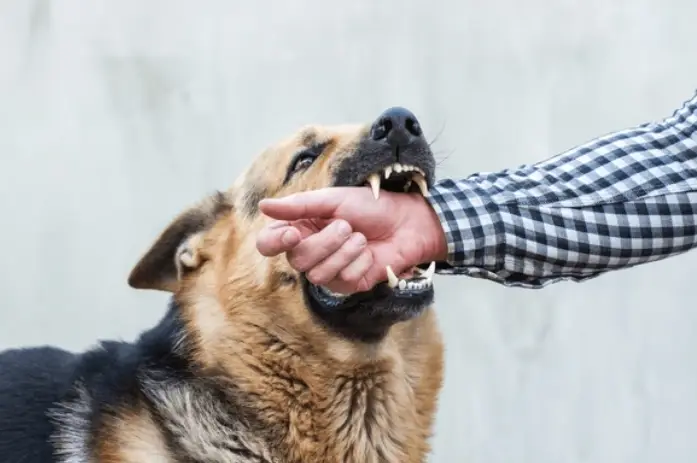
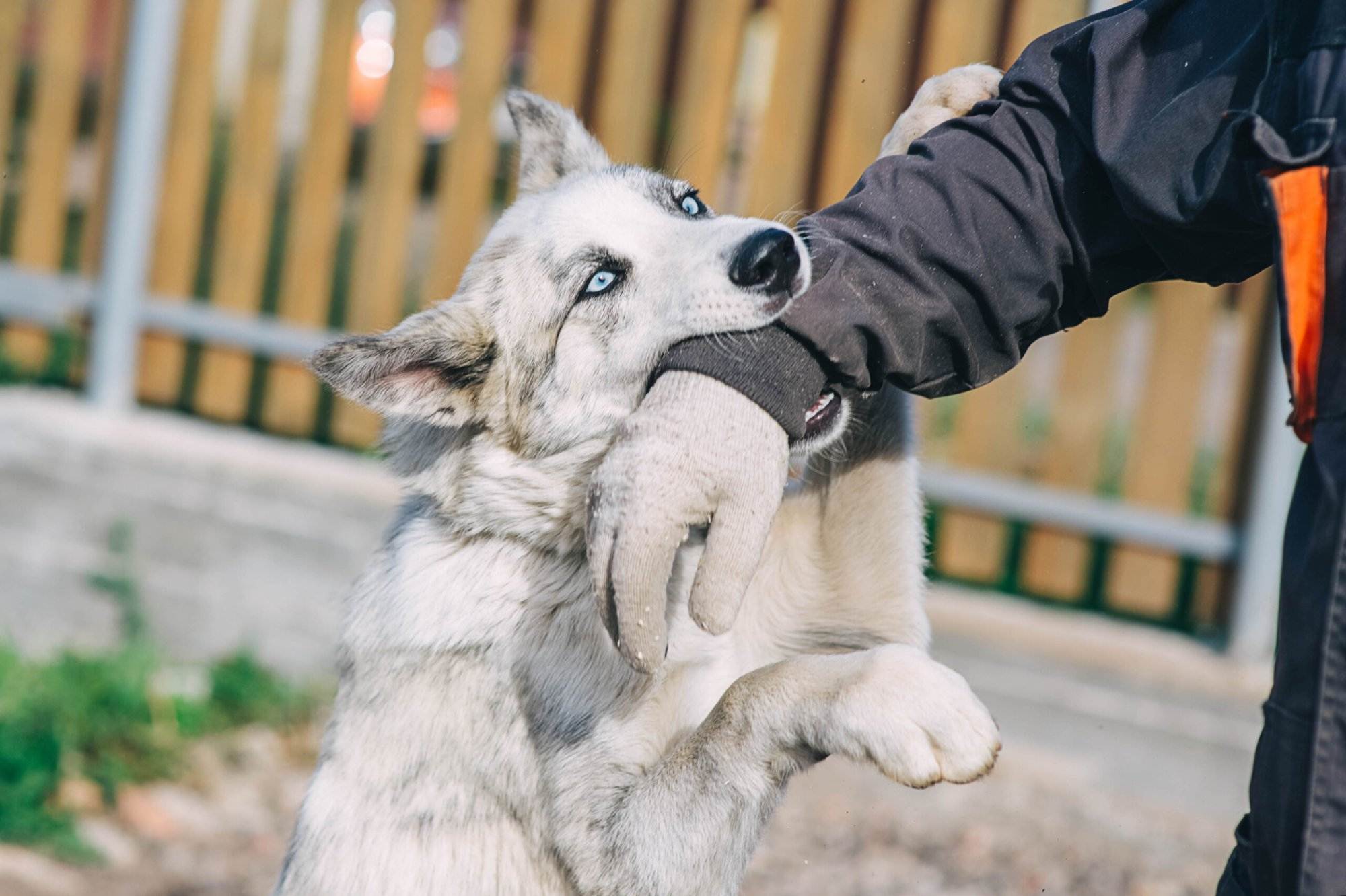
First and foremost, your health takes precedence. Following a dog bite, it is essential to promptly seek medical attention. Even seemingly minor bites can lead to infections and complications, underscoring the importance of consulting a healthcare professional. Additionally, thorough medical documentation of your injuries is essential for the legal process.
II. Identifying the Dog Owner and Compiling Evidence
Building a robust case necessitates the identification of the dog’s owner and the collection of evidence. This involves obtaining the owner’s contact information, gaining insights into the dog’s history, including any prior aggressive behavior or vaccinations, and capturing photographic evidence that substantiates your injuries and the context of the incident.
III. Consulting with an Attorney
The intricate dog bite laws in California require the expertise of an experienced personal injury attorney. It is advisable to seek legal representation from a professional specializing in dog bite cases. They will guide you through the complexities of the process and ensure that your rights remain protected.
IV. Establishing Liability
In California, dog owners are generally held strictly liable for their dogs’ actions, irrespective of the dog’s past behavior. However, exceptions may apply if the victim was trespassing or provoking the dog. Your attorney will meticulously assess the circumstances to establish liability.
V. Pursuing Settlement Negotiations
Before heading to court, your attorney may explore settlement negotiations with the dog owner’s insurance company or their legal representatives. Many cases are effectively resolved through negotiations, resulting in compensation for medical expenses, lost wages, and pain and suffering.
VI. Initiating a Lawsuit
If settlement negotiations fail to yield a satisfactory resolution, your attorney will commence a lawsuit on your behalf. This involves preparing a comprehensive complaint detailing the incident, your injuries, and the damages you are seeking. The lawsuit is then officially served to the dog owner, marking the initiation of the legal process.
VII. The Discovery Phase
During the discovery phase, both parties exchange information and evidence. This includes depositions, interrogatories, and requests for pertinent documents. A robust discovery process is pivotal for constructing a compelling case and gaining a thorough understanding of the opposing side’s arguments.
VIII. Mediation or Settlement Conference
Before proceeding to trial, the court may require both parties to engage in mediation or participate in a settlement conference. These alternative dispute resolution methods aim to reach a mutually agreeable solution without resorting to a trial. Your attorney will diligently advocate for your interests during these proceedings.
IX. Thorough Trial Preparation
Should mediation efforts prove unfruitful, thorough trial preparation becomes pivotal. Your attorney will assemble witnesses, experts, and additional evidence to present a compelling case in court. They will also ensure that you are well-prepared to testify and effectively handle cross-examination.
X. The Trial
The trial is where your case is presented before a judge and/or jury. Both sides will present their arguments, call witnesses, and introduce evidence to support their claims. Your attorney will vigorously advocate on your behalf, endeavoring to establish the dog owner’s liability and secure the compensation you rightfully deserve. The judge or jury will then make a decision based on the presented evidence.
XI. The Verdict and Post-Trial Actions
Following careful deliberation, the judge or jury will deliver a verdict. If it’s in your favor, the court will proceed to determine the appropriate damages. In the event of an unfavorable verdict, your attorney may explore potential avenues for appeal or post-trial motions to address any legal errors that may have occurred during the trial.
XII. Conclusion
The pursuit of justice in a dog bite case in California involves a multifaceted process. Access to legal guidance and support is critical for all individuals, including those in the Latino and Hispanic community. Always remember that your health is of paramount importance, and seeking early legal counsel is pivotal in ensuring that your rights remain protected throughout this legal journey. Consult skilled and experienced dog bite lawyers at La Justicia Abogados if you or a loved one wants to take the case to court.
Recent Post
-
January 09, 2026Proving Fault After a Car Accident in Oxnard: Evidence That Makes or Breaks a Case
-
January 08, 2026Types of Civil Cases a Lawyer Can Handle in California
-

December 10, 2025Why Choosing a Local Hesperia Accident Attorney Can Improve Your Case Outcome
-

December 10, 2025From Whiplash to Spinal Cord Injury: Injuries in Bakersfield
-
November 11, 2025How Pre-Existing Conditions Affect Your Personal Injury Case: The Facts and Misconceptions
-

November 10, 2025Slip and Fall Injuries in Public Places: Who Is Liable?
-
October 02, 2025Why Delaying Medical Care Can Destroy Your Personal Injury Claim
-

October 01, 2025Highway Crash Claims in Bakersfield: What Residents Should Know